
You know the sink ,the water used to disappear instantly, and now it hangs around your ankles in the shower or pools in the bathroom basin for a good ten seconds before it reluctantly goes down. The reflex is to grab a bottle of liquid drain cleaner from under the sink and pour it in. I’m going to talk you out of that, at least as your first move. Not because it never works, but because there are three cheaper, safer things that fix most slow drains, and none of them can eat through your pipes or put chemicals on your skin.
What’s actually clogging it
Slow drains are almost never a mysterious pipe problem. It’s usually one of these:
- Bathroom sinks and tubs: hair, plus soap scum and toothpaste gunk that glues it into a mat. It sits close to the drain opening, within arm’s reach.
- Kitchen sinks: grease and food residue that coated the pipe walls and slowly narrowed them.
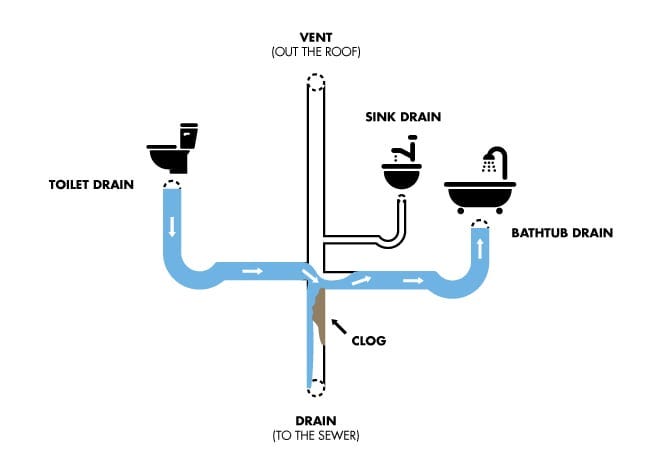
- Whole-house slowness (every drain is sluggish, or toilets gurgle when you run the washer): that’s a main line problem, and it’s a different conversation (see the end).
The good news is that for the first two, the clog is usually close enough to reach.
Thanks for reading Homeowner Help! Subscribe for free to receive new posts and support my work.
Why Drano and other chemical cleaners aren’t a great first move
- They often don’t fully work on hair. Chemical cleaners can make a hole through a clog without removing it, so the drain seems better for a week, then slows again.
- They can damage things. Harsh drain chemicals can be hard on older pipes, and they can be a problem for some plumbing materials and septic systems. If the product sits in a drain that stays clogged, it can sit in standing water in your sink for hours.
- They’re a hazard to the next person who touches it. If the chemicals don’t work and you call a plumber, or you try to snake the drain yourself, you’re now working around caustic standing water. That’s a real splash risk to skin and eyes.
- Never mix drain cleaners with each other or with other cleaning products. That’s how toxic fumes happen.
So the order I recommend is mechanical first (remove the clog), chemical last, if ever.
Step 1: Pull out what’s in there (bathroom sinks, tubs, showers)
This is the one that fixes it more than half the time, and it costs about $3.
- Remove the stopper or drain cover. Many bathroom sink stoppers lift straight out or twist off. Tub and shower drains usually have a cover held by one screw in the center. Take a photo first so you remember how it goes back.
- Look and feel. You’ll often see a gross wad of hair right at the top.
- Pull it out. Use a plastic drain-cleaning strip (the zip-it style tool, about $3 at any hardware store). Push it down, pull it up slowly, and bring up what’s stuck on the barbs. Disposable gloves help here, and you’ll be amazed at what comes out.
- Flush with hot water (hot tap water, not boiling) for a minute to rinse away the residue.
If the drain is flowing normally again, you’re done, and you spent less than a coffee.
Step 2: Hot water and dish soap (kitchen sinks, greasy drains)
For a kitchen drain slowed by grease:
- Pour a generous squirt of dish soap down the drain.
- Follow with a kettle of hot (not boiling) water. If your pipes are PVC plastic, very hot water is fine, but a full rolling boil can soften plastic joints, so let the kettle sit for a minute first.
- Wait a few minutes, then run hot tap water for a minute.
Repeat once if needed. This breaks down the grease coating without chemicals.
Step 3: Use a plunger the right way
Most people plunge wrong. The trick is to make a seal and block the other opening.
- Use a cup plunger (the plain rubber cup), not the flanged toilet plunger.
- If your sink has an overflow hole near the top, stuff a wet rag in it, or hold your hand over it, so the pressure goes down the drain instead of escaping.
- Put a few inches of water in the basin so the plunger cup is submerged.
- Plunge firmly up and down about 10 to 15 times, keeping the seal.
- If it’s a double kitchen sink, plug the other drain with a rag too.
Step 4: Clear the P-trap
If the strip and the plunger don’t work, the clog may be in the curved pipe under the sink, called the P-trap. This sounds like a plumber job, but it’s one of the most doable repairs in the house.
- Put a bucket underneath. The trap holds water and gunk.
- Unscrew the two slip nuts on either end of the curved section. Hand-tight is usually enough to loosen them. Note the order of the pieces so you can reassemble them.
- Empty and clean it into the bucket. Rinse it out, and wipe the nut threads.
- Reassemble hand-tight, plus a quarter turn with pliers if needed. Don’t over-tighten plastic.
- Run water and check for leaks at both joints.
This will take about 15 minutes the first time, and if the clog was in the trap, you’ll see it.
Step 5: A drain snake for deeper clogs
A hand-crank drain auger (a “snake”) is about $15 to $25. Feed it down the drain until you hit resistance, crank it to grab or break up the clog, and pull it back out. It’s a good tool to own, especially for a tub that keeps slowing.
If you really do want to use a chemical cleaner
Last resort, and only if you’ve followed the product directions exactly, and:
- Never use it after another chemical product has already been poured in.
- Never use it in a completely blocked drain with standing water you’ll later have to reach into.
- Ventilate the room, and wear gloves and eye protection.
- If it doesn’t work, tell the plumber what you used before they start.
An enzyme-based drain cleaner is a gentler option for slow drains caused by organic buildup, and it’s safe for most plumbing. It works slowly, so think of it as maintenance and not an emergency fix.
Call a plumber if…
- Multiple drains are slow at once, or you hear gurgling in one drain when you use another. That points to a main line issue.
- A toilet bubbles or backs up when you run the sink, shower, or washer.
- Water comes up in a low drain (like a basement floor drain or shower) when you flush or do laundry.
- You’ve tried the steps above and the drain is still slow or blocked.
Main line clogs are often tree roots or buildup outside the house and need a bigger snake than anything you can rent or buy easily.
Keeping it from coming back
- Install a hair catcher in your shower and tub drain. They’re about $5 and prevent most bathroom clogs.
- Don’t pour grease down the kitchen sink. Let it cool in a can, then throw it out.
- Flush with hot water every week or so after washing dishes.
- Put a drain cover in the kitchen sink to catch food scraps.
Before you go
Ten minutes with a $3 plastic strip beats a bottle of chemicals most of the time, and you’ll know exactly what was in there. Next time a drain slows down, reach in before you pour.
Next up: the window that’s drafty or fogged between the panes, and what you can fix this weekend before winter gets here.
Talk soon, Homeowner Help


Leave a Reply